October 31, 2025
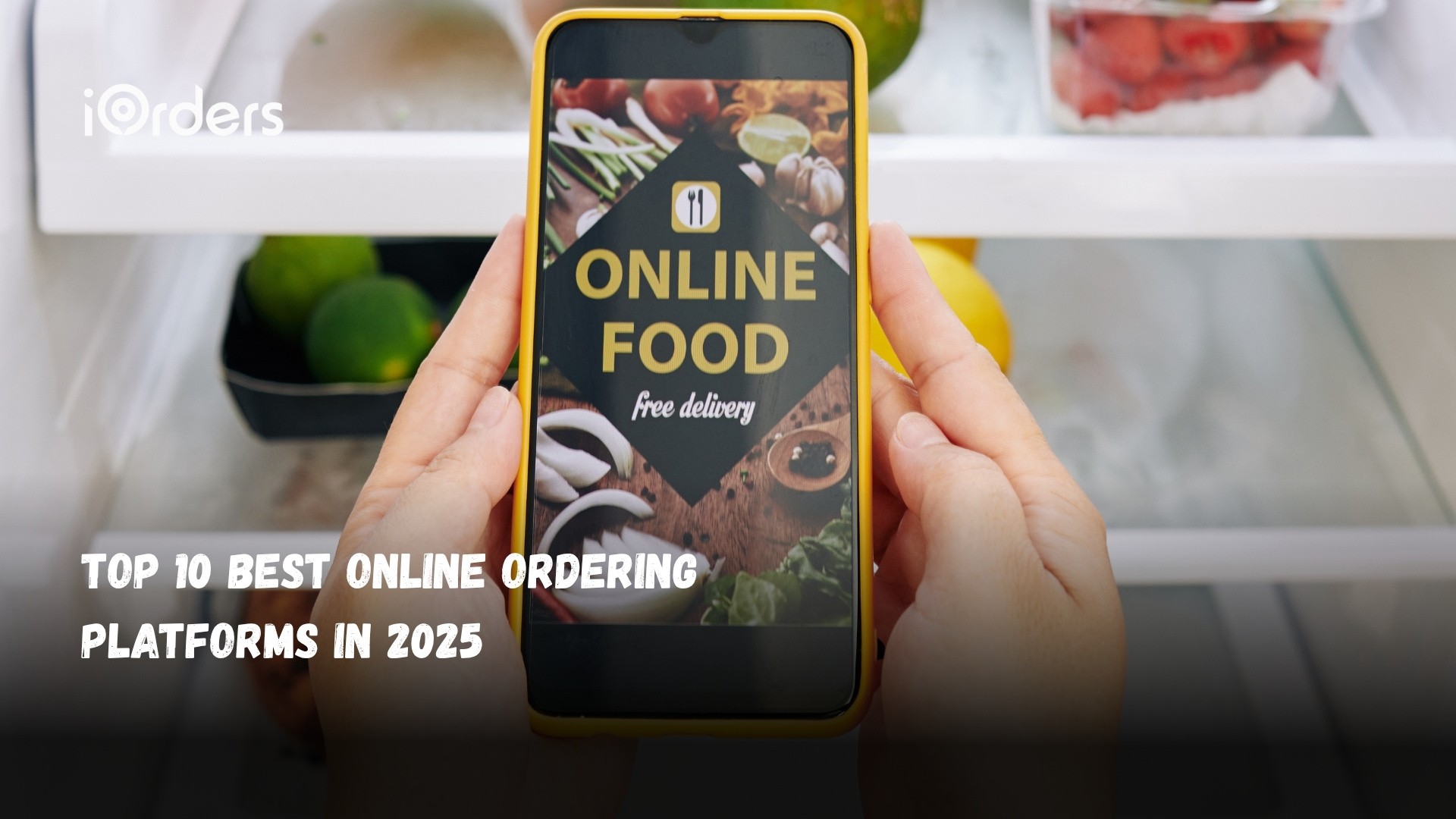
Online ordering is no longer optional. It’s a necessity for restaurants today. Diners expect convenience, seamless ordering, and fast delivery whether they’re at home, work, or on the go.
For restaurant owners, the right online ordering platform isn’t just about taking orders; it’s about integrating with POS systems, managing menus, tracking analytics, and fostering customer loyalty. From third-party delivery apps like DoorDash to white-label solutions like iOrders, the market is crowded. Choosing the right platform can impact revenue, customer retention, and operational efficiency.
This guide breaks down the top 10 online ordering platforms in 2025, helping restaurants identify the best fit for their size, budget, and goals.
At a Glance:
Online ordering platforms have evolved from a convenience feature into a strategic necessity for restaurants. They help small and medium-sized establishments increase revenue, streamline operations, and build stronger customer relationships in a competitive, digital-first market.
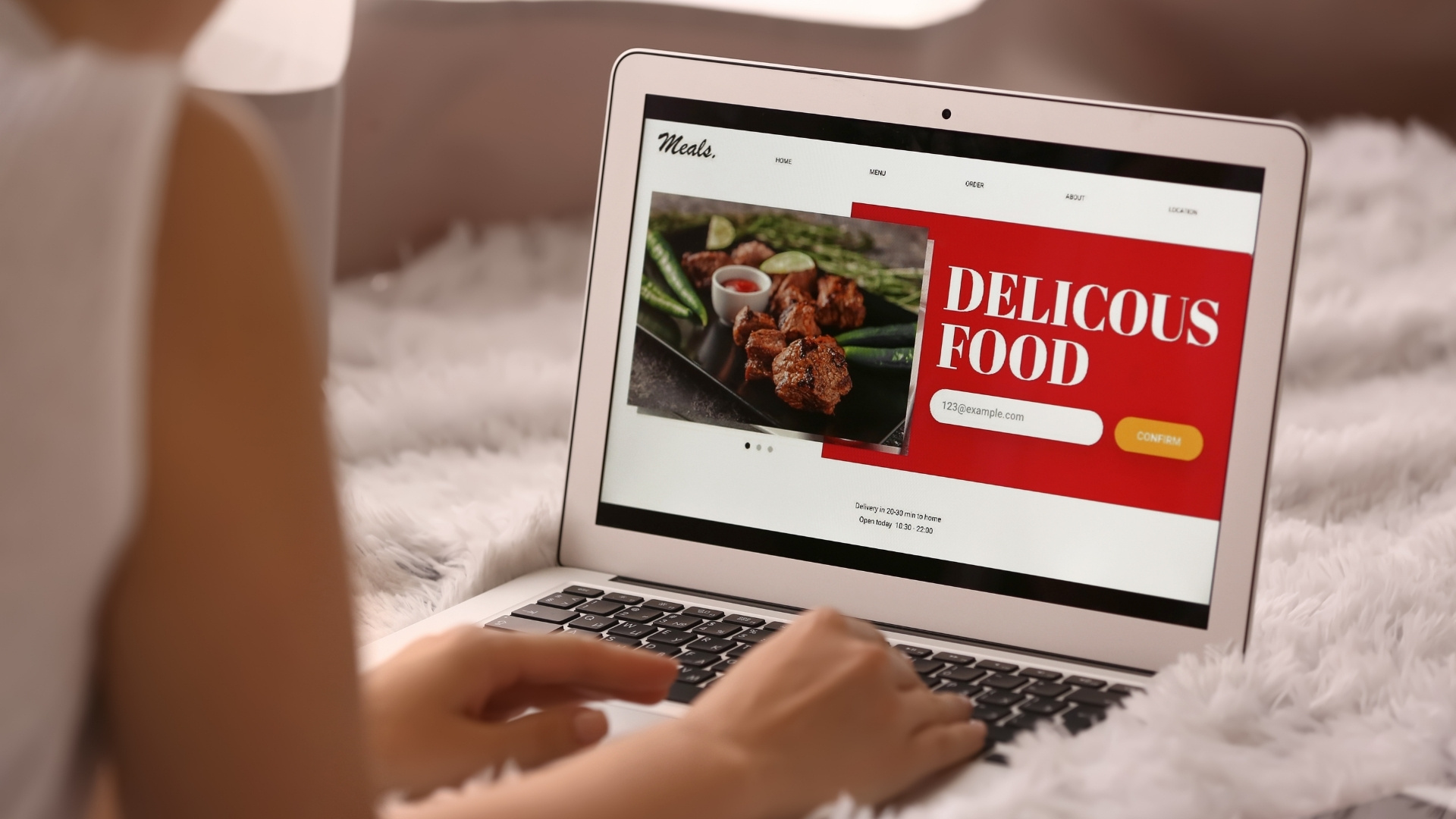
Key benefits for restaurants:
Online ordering platforms are essential business tools. Restaurants that embrace them can drive revenue, enhance efficiency, and foster customer loyalty, ensuring they not only survive but thrive in the digital-first foodservice landscape.
Also Read: How to Make a Small Restaurant Grow: Top 33 Tips
Online ordering platforms for restaurants have evolved to meet the growing demand for efficiency, customization, and customer engagement. Restaurants are increasingly seeking solutions that not only streamline the ordering process but also integrate seamlessly with existing systems, enhance customer loyalty, and provide valuable insights into business performance.

The following platforms have been recognized for their innovative features, user-friendly interfaces, and ability to adapt to the diverse needs of the modern restaurant industry:
iOrders offers a white-label online ordering platform designed specifically for small and medium-sized restaurants. It enables businesses to offer a fully branded ordering experience across mobile apps and web platforms while integrating seamlessly with POS systems.
By combining operational efficiency with marketing automation and loyalty tools, iOrders allows SMBs to compete with larger chains without relying on third-party delivery platforms.
Key Features:
iOrders empowers SMB restaurants to deliver a professional, full-featured online ordering experience with complete brand control, zero dependency on third-party platforms, and tools to drive repeat business, improve operational efficiency, and scale digitally.
DoorDash Storefront allows restaurants to take orders directly from their own websites and mobile apps without paying DoorDash’s standard commission fees. It combines the reach of a major delivery network with a branded ordering experience, helping restaurants attract new customers while maintaining control over their sales and data.
Key Features:
DoorDash Storefront merges the advantages of third-party delivery reach with the benefits of a direct, branded ordering channel, helping restaurants expand their audience without sacrificing revenue or brand identity.
Also Read: Kitchen Order Ticket System in a Restaurant: How It Works
Uber Eats is a leading third-party delivery platform that connects restaurants to millions of users worldwide. It offers extensive delivery logistics, marketing exposure, and customer insights, making it ideal for restaurants looking to expand reach without investing heavily in delivery infrastructure.
Key Features:
Why It Stands Out: Uber Eats provides unmatched reach and convenience, making it a go-to platform for restaurants aiming to boost online orders quickly. While commission fees apply, the platform’s exposure and delivery support often justify the investment for growing businesses.
Grubhub is a widely recognized third-party online ordering platform, particularly strong in urban markets. It connects restaurants to a large network of active diners, providing integrated delivery and pickup options, marketing support, and analytics to optimize online sales.
Key Features:
Why It Stands Out: Grubhub combines broad visibility with operational flexibility, making it ideal for restaurants seeking to expand their delivery reach while accessing actionable customer insights. Its established brand and urban focus provide reliable exposure, even though commission fees may apply.
Also Read: Cloud Kitchen Price Breakdown 2025: Real Costs, Smart Savings
Toast is an all-in-one restaurant POS and online ordering platform designed to integrate in-person and digital sales seamlessly. It supports ordering, payments, loyalty programs, and reporting in a unified system, giving restaurants a streamlined operational workflow.
Key Features:
Why It Stands Out: Toast is ideal for restaurants that want a robust POS system tightly integrated with online ordering. By centralizing operations, payments, and analytics, it reduces errors, improves efficiency, and enhances the guest experience, making it especially valuable for high-volume or multi-location establishments.
BentoBox is a restaurant-focused online ordering solution designed to integrate seamlessly with your existing website. It provides a fully branded ordering experience, allowing restaurants to maintain control over their digital presence while streamlining online sales.
The platform caters to restaurants of all sizes, from independent cafes to multi-location chains, emphasizing a professional and consistent customer journey.
Key Features:
Why It Stands Out: BentoBox empowers restaurants to take full ownership of their online presence. By combining web management, ordering, and marketing, it allows restaurants to enhance customer experience, boost revenue, and reduce dependence on third-party delivery apps.
Also Read: Hire and Retain Restaurant Employees: Top 12 Strategies
Square Online offers an easy-to-use, cost-effective platform for restaurants to accept online orders. It integrates seamlessly with Square POS, providing a unified system for payments, inventory, and order management.
This solution is ideal for small and medium-sized restaurants looking for a simple, affordable, and reliable online ordering system without heavy upfront investment.
Key Features:
Why It Stands Out: Square Online combines affordability with simplicity, enabling restaurants to start taking orders online quickly while maintaining control over operations and branding. Its seamless POS integration ensures smooth order management and reporting.
ChowNow is a white-label online ordering platform designed to help restaurants accept orders directly from their website, social media, and mobile app. Unlike typical third-party delivery apps, ChowNow focuses on preserving restaurant branding and building customer loyalty, making it ideal for SMBs that want to control their digital ordering experience.
Key Features:
Why It Stands Out: ChowNow prioritizes restaurant ownership over the customer relationship, helping businesses maintain brand consistency while offering multiple ordering channels. Its focus on loyalty and marketing tools makes it ideal for repeat-customer engagement.
Also Read: How to Start and Run a Successful Restaurant in 10 Simple Steps
Menufy by HungerRush is a comprehensive online ordering platform that caters to restaurants of all sizes. It offers a full suite of tools for managing orders, integrating with POS systems, and reaching customers through branded websites, apps, and third-party marketplaces. Menufy combines ease of use with robust features, making it an all-around solution for maximizing online sales.
Key Features:
Why It Stands Out: Menufy offers a balance between control and reach, providing restaurants with professional ordering tools while allowing flexible delivery options. Its all-in-one capabilities make it ideal for restaurants aiming to scale digital orders efficiently.
Restolabs is an online ordering and restaurant management platform focused on providing flexible payment solutions and seamless customer experiences. Designed for restaurants that want control over transactions, Restolabs supports multiple payment gateways, tip management, and in-app promotions while integrating with existing POS systems.
Key Features:
Why It Stands Out: Restolabs is ideal for restaurants that prioritize flexible, secure payments while maintaining a branded online ordering experience. Its focus on payment versatility and integration makes it a strong choice for SMBs seeking operational efficiency.
Choosing the right online ordering platform depends on your restaurant’s goals, scale, and customer experience priorities. For SMBs, white-label platforms like iOrders deliver flexibility, loyalty tools, and POS integration, helping restaurants retain revenue and build lasting connections with diners.
Also Read: Top 10 CRMs for Restaurants in 2025
Selecting the ideal online ordering platform goes beyond picking a popular name. Restaurants need to consider operational needs, budget, and the type of customer experience they want to deliver.

Here are the key factors to evaluate:
How iOrders Fits the Bill: iOrders is a white-label platform built with SMB restaurants in mind. It offers full POS integration, a branded mobile app, commission-free ordering, and marketing tools, making it an ideal choice for restaurants that want operational efficiency, revenue control, and a seamless digital experience.
Also Read: How Smart Restaurants Cut Food Costs and Boost Profits (Without Cutting Quality)
Choosing the right online ordering platform impacts revenue, efficiency, and customer experience. Third-party apps like DoorDash offer wide reach but limit control, while white-label solutions like iOrders let restaurants own branding, data, and profits.
With the right platform, restaurants can increase sales, streamline operations, and retain customers in a market where digital convenience is king.
Book a free demo with iOrders today and see how a branded online ordering system can transform your restaurant’s performance in 2025.
1. How can restaurants ensure their online ordering platform supports omnichannel experiences?
Modern customers expect to order via website, app, mobile, or even smart devices. Restaurants should ask if their platform seamlessly syncs orders across all channels, manages order history centrally, and lets guests switch devices mid-order without losing their progress.
2. What security and compliance standards should be required from an online ordering system?
Restaurants need assurance of PCI DSS compliance, secure payment gateways, and robust customer data encryption. Check if the platform updates regularly for evolving compliance, and whether it includes tools for GDPR or state-by-state privacy regulations.
3. What degree of menu customization is possible, including dynamic pricing and allergen info?
Beyond simple item updates, the best systems allow dynamic pricing for happy hours or specials, display real-time allergen or nutritional data, and even highlight kitchen availability to prevent out-of-stock ordering or ingredient mistakes.
4. Can the platform automate delivery dispatch, driver tracking, and third-party integration?
For restaurants managing their own delivery or using multiple third parties, platforms should automate driver dispatch, real-time tracking, and seamless order routing—minimizing manual intervention and avoiding missed or late deliveries.
5. How flexible are reporting and analytics for improving operations?
Powerful online ordering platforms provide granular analytics, like top-selling dishes, abandoned cart rates, average delivery time, and customer preferences, helping operators make data-driven decisions to optimize menus, staffing, and marketing campaigns.
6. What level of technical support and on-boarding does the platform provide?
Restaurants should evaluate whether support is 24/7, offers live chat, or provides guided set-up, training resources, and a dedicated account manager, especially when launching new technology or during peak service.
7. How easily can the platform scale with seasonal spikes or business growth?
The most future-proof systems handle sudden order surges, like holidays or major promotions, without slowdowns or failures, and adapt to adding new locations, menus, or channels as the business expands, all while maintaining system reliability.