Book a free demo
Oops! Something went wrong while submitting the form.
May 5, 2026
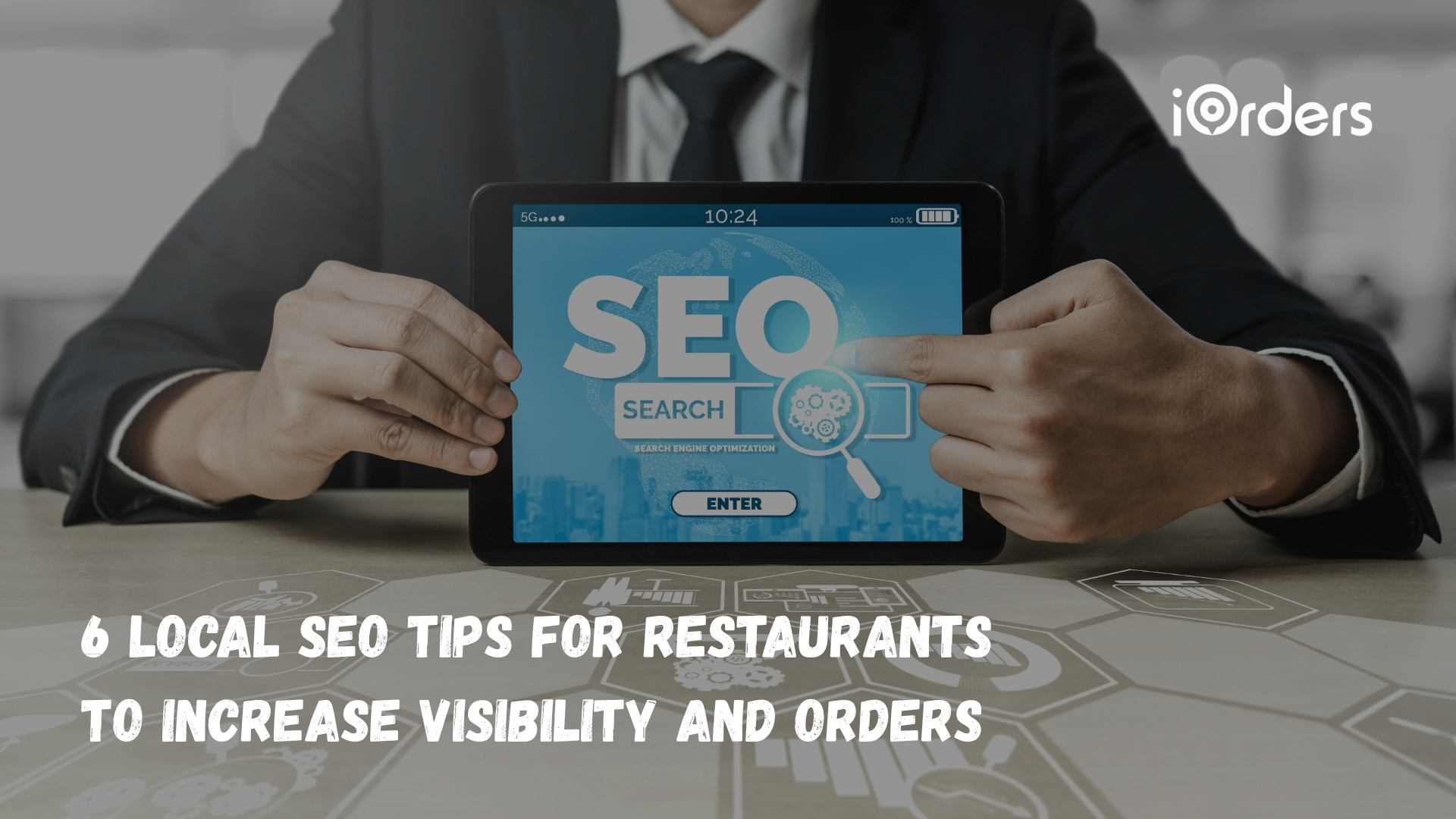
It’s the weekend, and a customer searches “best tacos near me” while sitting two blocks away from your restaurant. Your kitchen is ready, tables are open, and your team is waiting. But your restaurant doesn’t show up in the top results. They walk into a competitor instead.
This happens more often than most restaurant owners realize. 46% of monthly Google searches have local intent, while 86% of people check a business location on Google Maps before visiting. If your restaurant isn’t visible there, you’re losing orders before guests even see your menu.
Restaurant local SEO directly impacts whether your restaurant gets seen or skipped in those high-intent moments. When someone nearby is ready to order or visit, your visibility decides where they go next.
In the next few sections, you’ll see exactly what to fix, from your Google listing to your menu setup, so those searches turn into real orders, not missed opportunities.
The impact of restaurant local SEO can be seen during every shift, when the phone rings, when guests walk in, and when online orders come through.
Think about how most guests find a place to eat. They don’t scroll endlessly. They search “pizza near me” or “best brunch downtown” and pick from the first few options they see. Those results usually appear in Google Maps and the local pack, the top three listings shown before regular search results.
If your restaurant shows up there, you get:
If you don’t, those same customers choose a competitor without a second thought. “Near me” searches carry strong intent, and these aren’t casual browsers. These are guests who are already nearby and ready to act. Your visibility at that exact moment decides whether your tables fill up or stay empty.
This is why local restaurant SEO matters to your daily service. It directly connects search visibility to real actions, calls, visits, and orders, happening in real time.
Recommended: Restaurant Marketing Strategies and Ideas.

Local SEO works best when you focus on the points where guests actually interact with your restaurant. Each of the following areas directly impacts whether a search turns into a call, visit, or order.
Your Google Business Profile is often the first thing guests see. It shows up in Google Maps and the local pack, where most decisions happen. A complete and active profile increases your chances of showing up when someone nearby is ready to choose a place.
What a complete profile should include:
Where restaurants fall short:
When you fix these gaps, the impact is immediate. Guests find accurate information, trust your listing, and take action.
The Restaurant Margin Playbook shows you how to build a direct ordering channel, own your customer relationships, and reclaim the margins delivery platforms are quietly taking.
Download the eBook →.png)
Getting discovered is only half the job. What happens after the click determines whether you gain or lose the order. Many restaurants still rely on PDF menus or slow-loading websites. During a rush, that delay is enough for a guest to leave and pick another option.
What guests often experience:
What you should fix:
When your menu is easy to access, and ordering feels simple, guests don’t hesitate. They move from browsing to placing an order in seconds, especially during high-intent moments.
Two restaurants can appear side by side in search results. The one with recent, well-managed reviews usually gets the click. Guests don’t just check ratings. They look at how recent the reviews are and whether you respond.
What matters most:
Simple ways to collect more reviews:
You can also simplify responses using tools like the AI-powered review system from iOrders, which helps you reply quickly while staying consistent with your brand voice.
Guests often check multiple platforms before deciding. If your details don’t match, it creates confusion and hesitation. A mismatch in hours or contact details can lead to lost visits.
What to keep consistent across platforms:
What happens when this is incorrect:
Consistency builds reliability. It also helps search engines trust your business information.
Guests don’t search in formal terms. They type what they need in the moment. For example:
Your content should reflect these real search patterns.
Where to include these keywords:
This helps your restaurant appear for searches that match real intent, not generic terms.
Local SEO brings the first visit. Repeat business is what drives long-term growth. Many restaurants miss this step. They rely on third-party apps, which means they never collect customer data or build direct relationships.
What most restaurants struggle with:
What you can do instead:
With iOrders, you can manage loyalty programs and run smart campaigns based on customer behavior. This helps you bring guests back without relying on external platforms. Each of these strategies connects directly to how your restaurant runs every day. When applied together, they improve your visibility and turn more searches into actual orders.

You don’t need a full overhaul to see results. A few focused updates can improve how often your restaurant shows up, and how many guests take action. Use this checklist to tighten the areas that impact your visibility and orders the most.
These changes don’t take long, but they directly impact how guests find and choose your restaurant. A few hours of updates this week can lead to more calls, walk-ins, and orders soon after.
And while you can fix each of these areas individually, the real impact comes when everything works together. Visibility, ordering, and customer engagement need to connect, not operate in silos. The next step is making sure every search turns into a direct, repeat order.
Also, check: How to Get Repeat Customers: 10 Strategies to Build Restaurant Loyalty.
Getting discovered is only the first step. What happens after a guest clicks your listing decides whether your visibility improves or stalls.
When a guest lands on your website and orders directly, they stay longer, interact more, and come back again. These actions signal to search engines that your restaurant is relevant for local searches, which helps you appear more often over time.
Here’s how direct ordering supports that growth:
To make this work, your ordering setup needs to keep everything under your control. That’s where iOrders fits in.
With iOrders, you can:
You also retain your customer data, which allows you to:
Over time, this creates a steady loop. More direct orders lead to better engagement, and better engagement improves how often your restaurant shows up in local search. Want to turn more searches into direct orders? Book a demo with iOrders today.
Local SEO brings guests to your doorstep at the exact moment they’re ready to choose. What happens next decides whether you win that order or lose it.
When your listings are accurate, your menu is easy to access, and your ordering experience is smooth, guests move from search to order without hesitation. Over time, these small improvements build stronger visibility, more repeat visits, and steady growth.
To support that shift, iOrders helps you manage direct ordering, delivery, and customer engagement from one place—while keeping full control of your data and margins.
Let’s connect and build a strategy to turn local searches into consistent, direct orders!
.webp)
1. How long does it take to see results from local restaurant SEO?
Local SEO improvements can show results within a few weeks, especially after updating listings and reviews. Stronger ranking changes may take a few months, depending on competition and consistency.
2. Does social media activity impact local SEO for restaurants?
Social media doesn’t directly affect rankings, but it drives traffic, engagement, and brand searches. These signals can indirectly support your local visibility.
3. Should I create separate pages for different locations?
Yes. If you operate multiple locations, each one should have its own page with unique details, menus, and contact information to improve local search visibility.
4. How important are backlinks for restaurant local SEO?
Backlinks from local directories, food blogs, and community websites help build credibility. They signal to search engines that your restaurant is trusted in your area.
5. Can I manage local SEO without hiring an agency?
Yes. Many improvements, like updating listings, collecting reviews, and optimizing your menu, can be handled in-house with the right tools and consistency.