June 25, 2025
Opening a bakery often starts with a simple dream: sharing the recipes you love with your community and building something of your own. But before the first batch goes into the oven, there's one question every aspiring owner asks: how much does it actually cost to open a bakery?
The answer depends on factors like your location, bakery format, equipment needs, and staffing plans. Missing key expenses can quickly derail your budget, which is why planning ahead matters.
The opportunity is certainly there. The Canadian bakery products market is projected to grow at a CAGR of 3.9% between 2025 and 2033, fueled by rising demand for artisanal baked goods and locally owned businesses.
In this blog, we'll break down the real cost of opening a bakery in Canada in 2026, from startup expenses and ongoing costs to practical ways to manage your budget more effectively.

According to a report by Upmetrics, the average cost to start a small bakery ranges from $26,600 to $36,700. However, this cost can vary depending on several factors, such as location, business model, equipment, renovations, and initial inventory.
To provide a clearer picture, here's a breakdown of typical startup expenses:
These figures are averages and can vary significantly depending on individual circumstances and business plans.
The Restaurant Margin Playbook shows you how to build a direct ordering channel, own your customer relationships, and reclaim the margins delivery platforms are quietly taking.
Download the eBook →.png)
When compared to other food-related businesses, bakery startup costs can be more manageable. For instance, a full-service restaurant in Canada may require an investment ranging from CAD 100,000 to CAD 300,000, depending on size and location.
Next, let's understand the key expense categories that contribute to these startup costs, providing a comprehensive overview to help you plan effectively.

Opening a bakery in Canada involves several key expense categories that can significantly impact your startup budget. Understanding these costs is crucial for effective financial planning and ensuring the sustainability of your business. Below is a detailed breakdown of typical expenses:
Securing the right location is paramount for any bakery, and real estate costs form the foundational expense that sets the stage for your entire operation.
Transforming a space into your dream bakery requires thoughtful renovations and interior design, which will shape both its functionality and customer appeal.
The heart of your bakery's production lies in its specialized equipment and tools, representing a significant upfront investment crucial for efficient operation and product quality.
Before you even bake your first batch, securing the necessary licensing and permits is a non-negotiable legal requirement that ensures your bakery operates legitimately and safely.
The steady flow of operations in your bakery relies on essential utilities, which represent ongoing operational costs vital for everything from baking to maintaining a comfortable environment.
Your team is the backbone of your bakery, and staffing expenses, covering wages, benefits, and training, represent a high and ongoing operational cost critical for service quality and customer satisfaction.
To ensure your delicious creations reach their audience, initial marketing costs are essential for building brand awareness and attracting your first wave of customers.
The core of your bakery's offerings relies on a consistent supply of high-quality ingredients, making initial inventory and ongoing supplies foundational operational expenses.
Understanding these key expense categories will help you create a comprehensive budget and financial plan for your bakery.
Now, let's examine additional factors that can influence your startup costs and ongoing expenses.

Several additional factors should be considered that can impact your overall startup budget and ongoing operations. These considerations are often overlooked but are critical to ensuring your bakery remains financially viable in the long term.
Setting aside a contingency fund is crucial for managing unforeseen expenses during the startup phase. Financial experts recommend allocating approximately 5%–10% of your total estimated startup costs to cover unexpected costs such as equipment repairs, regulatory changes, or delays in revenue generation.
Understanding ongoing operational costs is vital for maintaining profitability. For a small to medium-sized bakery, average monthly expenses can range from $13,000 to $60,000, depending on factors like location, size, and service offerings.
Key components include:
These expenses typically constitute 75%–85% of your monthly sales, underscoring the importance of effective cost management.
Understanding these additional considerations will help you create a comprehensive financial plan for your bakery.
Now, let's discuss the technological setup required for modern bakeries.
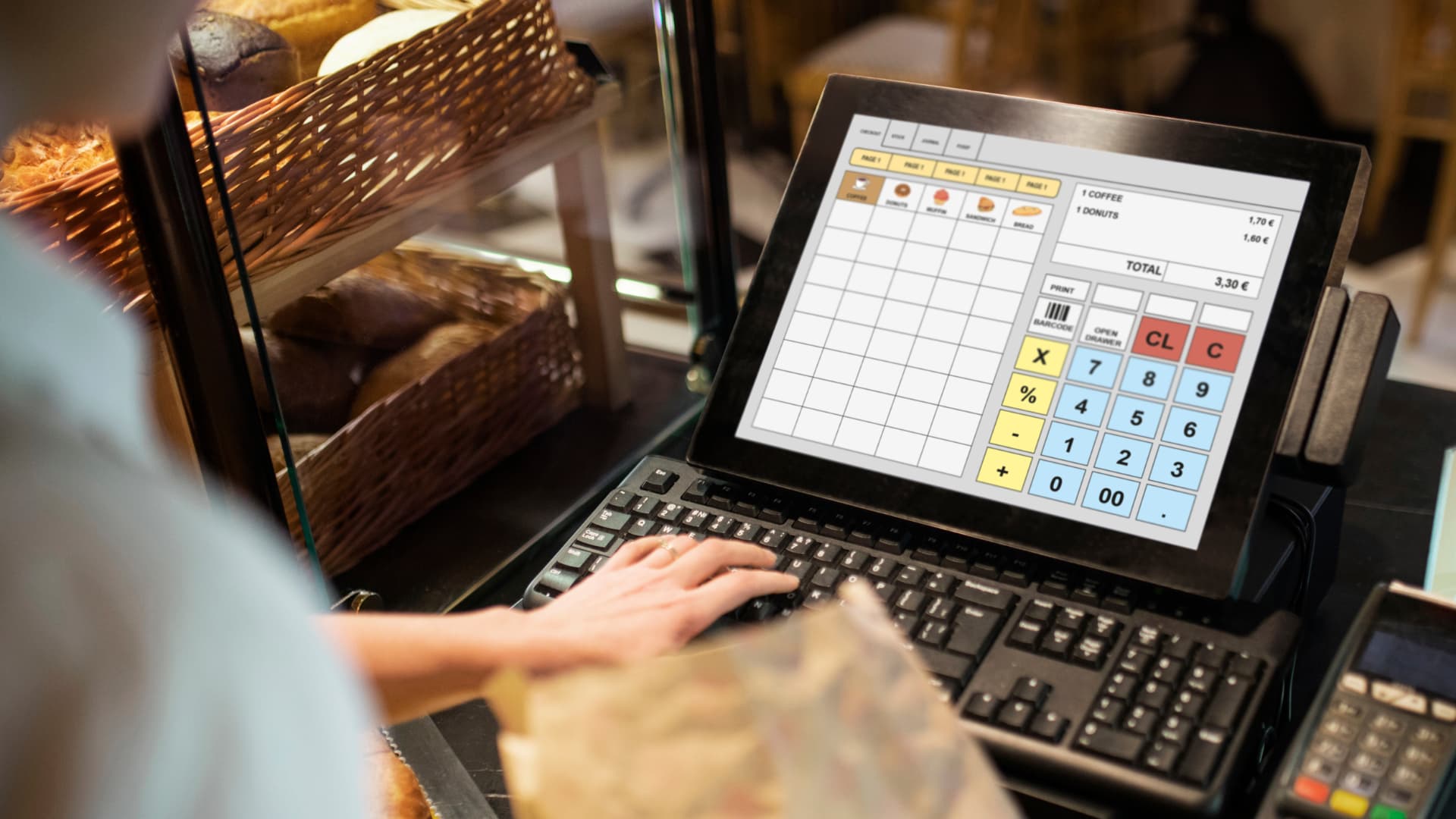
Setting up the right technology infrastructure is crucial for modern bakeries that aim to streamline operations, enhance the customer experience, and boost profitability. Here's a more in-depth breakdown of essential tech components and their associated costs:
An online ordering system allows customers to place orders directly through your bakery's website or app, bypassing third-party platforms and their associated commission fees. This system helps increase efficiency and customer satisfaction, all while boosting profitability.
Cost Breakdown:
A well-designed website serves as your bakery's virtual storefront, providing essential information and facilitating online orders. Your website will not only be the face of your business but also a key tool for converting visitors into customers.
Cost Breakdown:
A branded mobile app provides an exceptional customer experience, enabling customers to easily place orders, access loyalty rewards, and receive push notifications for promotions. For bakeries seeking to boost customer retention, a mobile app is a valuable tool.
Cost Breakdown:
Effective marketing tools enable bakeries to manage promotions, engage customers, and effectively track their performance. Whether it's through social media campaigns, email newsletters, or SMS promotions, marketing tools enable bakeries to reach their target audience efficiently.
Cost Breakdown:
Loyalty programs help bakeries build long-term relationships with customers by offering rewards for repeat purchases, referrals, or specific actions such as signing up for the bakery's newsletter.
Cost Breakdown:
Launching a bakery in 2026 may require considerable financial investment, considering the equipment, staffing requirements, and market demand. Nevertheless, utilizing integrated technology solutions can help lower costs and enhance efficiency. However, utilizing integrated technology solutions can substantially reduce these expenses and enhance operational efficiency.
iOrders offers a comprehensive suite of tools specifically designed for bakeries, enabling them to streamline operations, reduce costs, and deliver exceptional customer experiences.
Here is how iOrders can help.
Traditional third-party delivery platforms often charge commission fees ranging from 15% to 30%, which significantly impacts profit margins. iOrders' commission-free online ordering system allows bakeries to retain full control over their revenue.
Benefits:
A professional online presence is crucial for attracting and retaining customers. iOrders offers customizable website templates and QR code ordering solutions, enabling bakeries to provide a seamless online experience without requiring extensive technical expertise.
Benefits:
Managing in-house delivery can be resource-intensive. iOrder's delivery-as-a-service offers commission-free delivery services at a flat fee per delivery.
Benefits:
Effective marketing is essential for customer acquisition and retention. iOrders offers managed marketing services, including personalized messaging and actionable insights, to help bakeries effectively engage with their customers.
Benefits:
Building customer loyalty is crucial for sustained success. iOrders offers customizable loyalty and rewards programs, allowing bakeries to incentivize repeat business and referrals.
Benefits:
Utilizing data-driven strategies can enhance customer engagement. iOrders' smart campaigns use customer data to create personalized marketing efforts, while the AI-powered review system generates brand-aligned responses to customer feedback.
Benefits:
A branded mobile app enhances customer convenience and engagement. iOrders provides a white-label mobile app solution, allowing bakeries to offer a seamless ordering experience directly through their own branded application.
Benefits:
By integrating iOrders' comprehensive suite of tools, bakery owners can significantly reduce startup costs, streamline operations, and enhance customer satisfaction. This holistic approach not only improves efficiency but also positions bakeries for sustained growth and success in a competitive market.
Let's summarize our discussion and understand how utilizing technology can set your bakery up for long-term success.
Starting a bakery in 2026 is an exciting yet financially challenging endeavor. Understanding startup costs, from equipment to rent, is essential for success. However, with the right planning and smart decisions, prospective bakery owners can significantly reduce their operational costs and increase efficiency.
With modern technology solutions offered by iOrders, bakery owners can streamline their operations, eliminate unnecessary third-party fees, and improve customer engagement. iOrders can provide the technology and support you need to manage costs effectively with a fixed subscription model.
Ready to take your bakery to the next level? Book a demo with iOrders today and see how our commission-free ordering and delivery solutions can help you save costs and increase your profitability.
.webp)
1. Is it cheaper to start a home-based bakery instead of a storefront bakery in Canada?
Yes. Home-based bakeries generally require lower upfront investment because they eliminate major expenses such as commercial leases and large-scale renovations. However, they must still comply with local zoning laws and food safety regulations.
2. How much working capital should I keep aside after opening a bakery?
Many bakery owners set aside enough working capital to cover at least three to six months of operating expenses. This financial cushion can help manage slower sales periods and unexpected costs.
3. Can bakery equipment be leased instead of purchased?
Absolutely. Leasing equipment can reduce initial startup costs and preserve cash flow, although the total long-term cost may be higher than buying equipment outright.
4. How long does it usually take for a new bakery to become profitable?
Profitability timelines vary based on factors such as location, pricing, customer demand, and operating efficiency. Many bakeries take anywhere from 12 to 24 months to reach stable profitability.
5. What is one of the most common budgeting mistakes new bakery owners make?
A common mistake is focusing only on startup expenses while underestimating recurring costs like payroll, utilities, inventory replenishment, and marketing. Planning for both upfront and ongoing expenses leads to more realistic financial projections.